
Blog
Do I Really Need a Custom Website Design
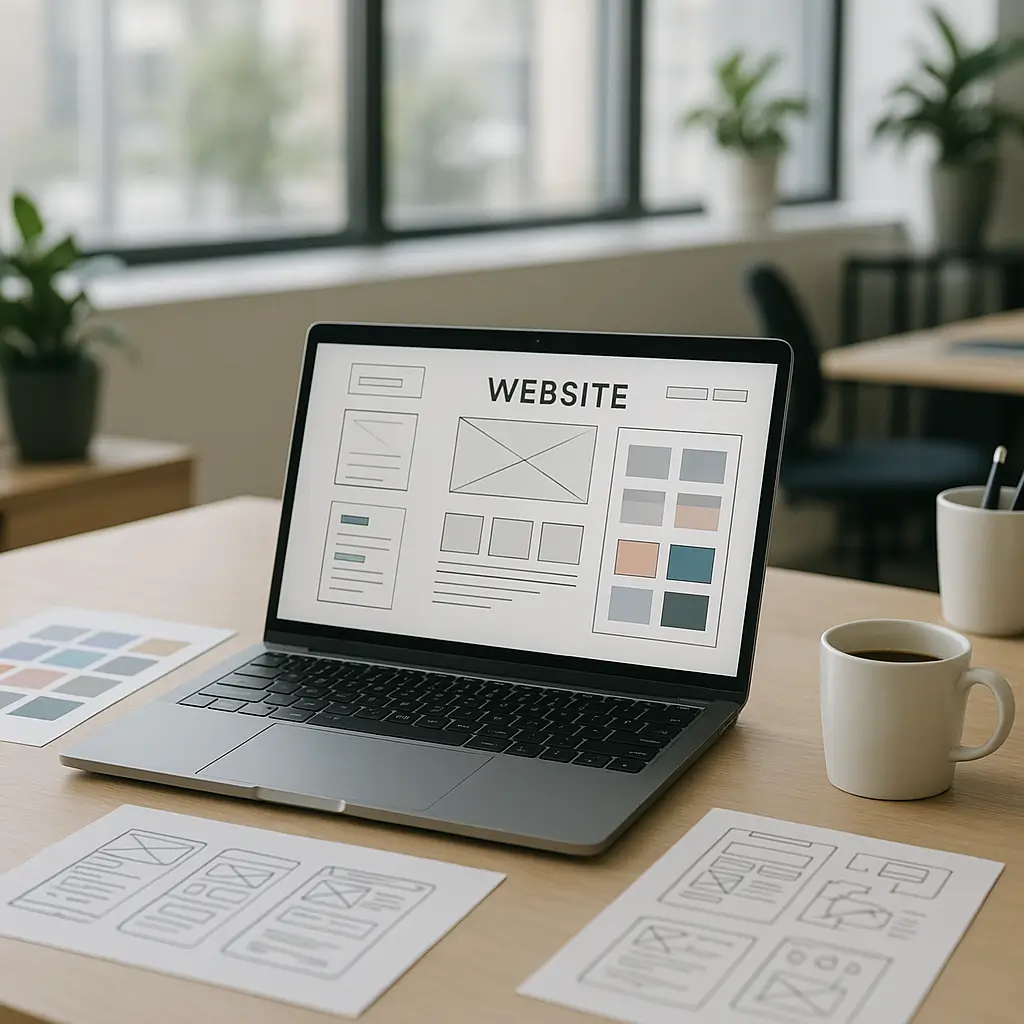
A custom website design can be a smart investment, but it is not automatically the right move for every business.
If you run a small business in Canada, you may be trying to decide between a fully custom website, a modified WordPress theme, a page builder layout, or a DIY platform like Wix or Squarespace. The honest answer is that the “best” choice depends on your goals, budget, timeline, content, and how much flexibility you need later.
This article will help you decide whether you really need a custom website design, when a template-based site is perfectly fine, and what to watch for before spending money.
What Does “Custom Website Design” Actually Mean?
People use the phrase “custom website” in different ways, which can make quotes confusing.
For one agency, “custom” might mean a completely original design created in Figma or another design tool, then built into WordPress from scratch. For another, it might mean taking a premium WordPress theme and changing the colours, fonts, images, and page layouts.
Those are very different levels of work.
Common Website Design Options
- DIY builder: You build the site yourself using a platform like Wix, Squarespace, or Shopify.
- Template-based WordPress site: A designer starts with a theme or page builder and customizes it for your business.
- Semi-custom website: The site uses WordPress and reusable components, but the structure, layout, branding, and content are planned around your business.
- Fully custom website: The design and development are created specifically for your business, often with custom layouts, functionality, integrations, or performance requirements.
None of these options is automatically “bad.” The problem starts when you pay custom prices for what is really just a lightly edited template.
Tip: When reviewing a quote, ask what is actually custom: the design, the code, the content strategy, the page layouts, the functionality, or just the colours and images.
When You Probably Do Need a Custom Website Design
A custom design makes the most sense when your website needs to do more than look presentable. If the site plays a serious role in lead generation, trust-building, sales, recruitment, bookings, or client education, the extra planning can pay off.
You Have a Specific Sales Process
Some businesses cannot be explained well with a generic five-page layout.
A law firm may need practice area pages, lawyer profiles, intake forms, trust signals, and careful wording around client confidentiality. A contractor may need service area pages, project galleries, quote request forms, financing information, and emergency call buttons. A healthcare practice may need appointment flows, accessibility considerations, and privacy-conscious forms.
If your customers need to be guided through a decision, a custom layout can help. It lets you organize the site around how people actually choose your service.
Your Brand Needs to Feel Different
If your competitors all use the same stock photos, same blue buttons, and same “Welcome to our website” homepage structure, a custom design can help you stand out.
This matters more in competitive industries where trust is built quickly. Professional services, trades, real estate, healthcare, restaurants, and local service businesses often benefit from a site that feels specific rather than interchangeable.
That does not mean it needs to be flashy. In many cases, “custom” simply means the site reflects your actual staff, services, location, values, and customer concerns.
You Need Custom Functionality
A brochure website can often be built from a strong template. But custom functionality changes the conversation.
You may need custom design or development if your site includes:
- Advanced quote request forms
- Appointment booking flows
- Client portals
- Membership areas
- Custom WooCommerce checkout logic
- Service area finders
- MLS or listing integrations
- Multi-location pages
- Bilingual English/French content structure
- Complex filtering, searching, or directory features
These features often require more planning than a standard theme provides. They also need to be maintained properly after launch, especially if they rely on WordPress plugins or third-party services.
You Care About SEO from the Start
A good custom website is not just about visuals. It should also support search visibility.
That means planning page structure, headings, internal links, service pages, location pages, image sizes, mobile layout, and calls to action before the build starts. If SEO matters to your business, the design should support the content strategy instead of forcing content into a pretty but awkward layout.
If you are still deciding what pages your website needs, read How to Write Content for Your Business Website. Content planning often determines whether a custom design is worth it.
Your Current Website Is Holding You Back
A redesign may be worth considering if your current site is slow, confusing, outdated, hard to update, or not converting visitors into leads.
Common warning signs include:
- People call because they could not find basic information
- Your contact forms are rarely used
- The mobile version is frustrating
- You avoid sending prospects to your own website
- Staff cannot easily update pages
- The site looks noticeably worse than competitors
- You get traffic but few inquiries
In that situation, patching the old site may not be enough. A better structure and design can make the whole site easier to use.
When You Probably Do Not Need a Fully Custom Website
Now for the part many web design companies do not say clearly: not every business needs a fully custom website.
Sometimes a clean, well-built WordPress site using a quality theme or page builder is the smarter choice.
You Are Just Starting Out
If your business is brand new, you may not know your best services, strongest offers, ideal clients, or most profitable locations yet.
In that case, spending heavily on a fully custom site too early can be risky. You might need to change your messaging six months later once you learn what customers actually ask for.
A simpler launch site can be enough at first. Get your core pages online, make sure the site is fast and mobile-friendly, then improve it as your business grows.
Your Budget Is Tight
A custom website requires strategy, design, development, testing, copywriting, revisions, and launch work. If your budget does not allow for that properly, you may end up with a rushed “custom” site that is worse than a polished template-based site.
It is better to have a simple website done well than an ambitious website done poorly.
If you are comparing options, Ambrite has a related guide here: How Much Does a Small Business Website Cost.
You Only Need a Basic Online Presence
If your site only needs to show your address, phone number, hours, basic services, and a contact form, a fully custom build may be overkill.
A small restaurant, local consultant, seasonal service provider, or one-person business may be well served by a clean, affordable WordPress website that is easy to update.
The key is not whether the design is fully custom. The key is whether visitors can quickly understand what you do, trust you, and contact you.
You Do Not Have Content Ready
Custom design works best when the designer understands what content needs to be displayed.
If you do not have service descriptions, photos, staff bios, pricing guidance, testimonials, FAQs, or calls to action, the design process can stall. Worse, the site may be designed around placeholder text that does not match your real content later.
Before starting any serious design project, gather your materials. This guide may help: How to Prepare for Your Web Design Project.
Template-Based Does Not Mean Cheap or Bad
Some business owners hear “template” and assume it means amateur. That is not always fair.
A good designer can take a solid WordPress foundation and customize it enough that the finished site feels professional, branded, and useful. The advantage is that you avoid paying for unnecessary reinvention.
Template-based design can be a strong choice when:
- Your site structure is fairly standard
- You need to launch quickly
- You want lower upfront cost
- You need easy editing after launch
- You do not need unusual functionality
- Your main goal is credibility and lead capture
The danger is using a bloated theme with too many features, animations, and plugins. That can hurt speed and make the site harder to maintain.
At Ambrite, we usually care less about whether something started from a theme and more about whether it is fast, secure, maintainable, mobile-friendly, and built around the business goal.
Custom Design vs. DIY Website Builders
DIY platforms can be useful. They are especially appealing if you want to build something quickly without managing hosting, updates, or plugins.
But they also come with tradeoffs.
WordPress gives you more control over hosting, SEO structure, plugins, ownership, and long-term flexibility. DIY builders may be simpler, but you can run into limits when you need advanced customization, migration options, or specific integrations.
If you are comparing platforms, see WordPress vs Wix vs Squarespace: Honest Comparison.
The Canadian Business Angle
For Canadian businesses, there are a few extra things to think about when deciding how custom your website should be.
Privacy and PIPEDA
If your site collects personal information through contact forms, booking forms, newsletter forms, quote requests, or e-commerce checkout, privacy matters.
A custom design should make room for privacy policy links, consent language where appropriate, secure forms, and clear explanations of what happens when someone submits information. This is especially relevant for law firms, healthcare practices, financial services, and businesses handling sensitive inquiries.
You do not need a custom design just to comply with privacy expectations, but a thoughtful build makes it easier to present the right information clearly.
.ca Domains and Canadian Trust
A .ca domain can help signal that your business serves Canadians. It is not mandatory, but it can be useful for local trust.
If you operate across Canada, your website structure may also need to handle provincial service pages, local landing pages, or bilingual content depending on your market.
Bilingual Websites
If you serve both English and French-speaking customers, especially in Quebec or certain national markets, plan bilingual content early.
Adding a second language after launch is possible, but it is easier when the design already accounts for longer text, language switching, translated forms, menus, and SEO structure.
Accessibility
Accessibility should not be treated as an afterthought. Good design uses readable fonts, strong contrast, keyboard-friendly navigation, clear labels, and logical page structure.
This matters for all users, not just people using assistive technology. It also makes your website easier to use on mobile devices, in poor lighting, or for older visitors.
What a Good Custom Website Should Include
If you do pay for a custom website, make sure you are getting more than a nice homepage mockup.
A strong custom design project should include:
- Discovery: A clear understanding of your services, audience, goals, competitors, and common customer questions.
- Content planning: A page structure that supports SEO, sales, and user experience.
- Mobile-first thinking: Layouts that work well on phones, not just desktop screens.
- Conversion planning: Clear calls to action, contact paths, forms, phone links, booking buttons, or quote requests.
- Performance planning: Optimized images, lean plugins, caching, and quality hosting.
- Security basics: SSL, secure admin practices, reputable plugins, and update planning.
- Easy editing: Staff should be able to update normal content without breaking layouts.
- Launch testing: Forms, mobile views, browser testing, redirects, speed checks, and backup confirmation.
If a proposal only talks about colours and page count, ask more questions.
Questions to Ask Before Paying for Custom Design
Before approving a custom website quote, ask practical questions.
- Will the design be created specifically for my business, or based on an existing theme?
- Who writes the website content?
- Will the site be built in WordPress or another platform?
- Can my team edit pages after launch?
- What happens if we need new pages later?
- How will mobile layouts be handled?
- Are contact forms tested before launch?
- Is basic SEO structure included?
- Will the site be optimized for speed?
- What security protections are included?
- Who maintains the site after launch?
The last question is bigger than many owners realize. A website is not finished forever once it goes live.
WordPress core, themes, plugins, PHP versions, forms, security tools, and integrations need ongoing attention. If nobody is responsible for maintenance, small issues can turn into broken forms, slow pages, or security problems.
Ambrite offers WordPress maintenance plans starting from $49/month CAD for businesses that want help keeping their site updated, monitored, and protected.
Do You Need Custom Design If You Already Have WordPress?
Maybe, but not always.
If your WordPress site is structurally sound but looks dated, you may only need a visual refresh. That could include improving typography, colours, spacing, homepage sections, calls to action, and mobile layouts.
If the site is slow, full of plugin conflicts, hard to edit, or built on an outdated theme, a deeper redesign may be smarter.
Before rebuilding everything, look at:
- Current traffic and top-performing pages
- Search rankings you do not want to lose
- Conversion problems
- Mobile usability
- Plugin quality
- Hosting performance
- Security history
- Whether staff can update content easily
A redesign should protect what is already working. Rebuilding without checking analytics, SEO value, and existing content can create unnecessary risk.
Hosting Still Matters, Even With Great Design
A beautiful custom website can still feel bad if it loads slowly.
Hosting affects server response time, caching, reliability, and how well WordPress handles traffic. This is especially noticeable on image-heavy sites, WooCommerce stores, real estate websites, and service businesses running paid ads.
Ambrite’s cloud web hosting starts at $7.99/month CAD and includes performance-focused features like LiteSpeed, NVMe SSD storage, and Imunify360 protection. That kind of foundation helps both custom and template-based WordPress sites run properly.
Design, hosting, and maintenance work together. If one is ignored, the whole site can suffer.
A Simple Decision Guide
Use this as a quick gut check.
Choose a Simple Template-Based Website If:
- You need a basic online presence
- You are just starting out
- Your services are straightforward
- You have a limited budget
- You need to launch quickly
- You do not need custom functionality
- You are comfortable improving the site over time
Choose a Semi-Custom Website If:
- You want a professional site without full custom cost
- You need stronger branding than a standard template
- You care about SEO and conversion structure
- You need flexible page layouts
- You want WordPress ownership and room to grow
Choose a Fully Custom Website If:
- Your website is central to sales or lead generation
- You have complex services or multiple audiences
- You need custom integrations or workflows
- Your brand needs to stand apart clearly
- You operate in a competitive market
- You have the budget to do strategy, content, design, and development properly
The Biggest Mistake: Buying Design Without Strategy
The most common website mistake is not choosing the wrong colour or platform. It is building pages without knowing what they are supposed to accomplish.
Before paying for custom design, answer these questions:
- Who is the website for?
- What problems are visitors trying to solve?
- What services do we most want to promote?
- What locations do we serve?
- What objections do customers usually have?
- What action should visitors take next?
- What proof do they need before contacting us?
If those answers are fuzzy, even a beautiful design may not perform well.
So, Do You Really Need a Custom Website Design?
You need a custom website design if your business has specific goals, a serious sales process, unique content needs, or functionality that a standard template cannot handle well.
You probably do not need one if you simply need a clean, credible, mobile-friendly site that explains your services and helps people contact you.
The best choice is the one that fits your business right now while leaving room to grow. For many Canadian small businesses, that means a well-planned WordPress site, reliable hosting, and ongoing maintenance — whether the design is fully custom or semi-custom.
If you are unsure which route makes sense, Ambrite can help you compare options without pushing unnecessary complexity. You can reach us through our contact page and tell us what you are trying to build.
This article was written with the help of AI and reviewed by the Ambrite team. Pricing, features, and technical details may change — always verify with official sources before making decisions.
Was this article useful?
Related Articles
Your website looks perfect on your laptop. Then you check it on your phone and everything's a...
Remember when parallax scrolling was the coolest thing on the web? Yeah, that was about eight...
Your website might be costing you customers right now. Not because it's broken or slow (though...
Your website loads in 0.8 seconds instead of 3 seconds, and suddenly your bounce rate drops by...
That beautiful website you spent months perfecting? It's driving customers away. Not because of...
